
Santee Cooper Fishing Guide for Catfish: An Overview
Santee Cooper lakes offer exceptional catfish angling‚ boasting diverse species and impressive sizes; patience and strategic techniques are key to success here.
Freshwater enthusiasts flock to these waters‚ seeking trophy catfish‚ while the Santee Cooper rig proves highly effective for blue catfish specifically.
These lakes are renowned for their year-round catfish populations‚ including Blue‚ Flathead‚ White‚ and Channel varieties‚ providing anglers with varied challenges.
Santee Cooper encompasses two expansive reservoirs – Lakes Marion and Moultrie – in South Carolina‚ created by dams on the Santee River. These interconnected lakes span over 170‚000 acres‚ presenting a diverse aquatic ecosystem and a premier destination for catfish anglers. The lakes’ unique geography‚ featuring vast flats‚ submerged timber‚ and winding channels‚ contributes to a thriving catfish population.
Historically‚ the area was a significant rice-growing region‚ and the resulting flooded forests now provide crucial habitat and structure for catfish. The warm springtime days are particularly attractive to fishermen‚ eager to capitalize on active catfish feeding patterns. The lakes’ consistent water levels and abundant baitfish further enhance their appeal as a world-class catfish fishery. Understanding the lakes’ history and structure is vital for successful angling.
Catfish Species in Santee Cooper
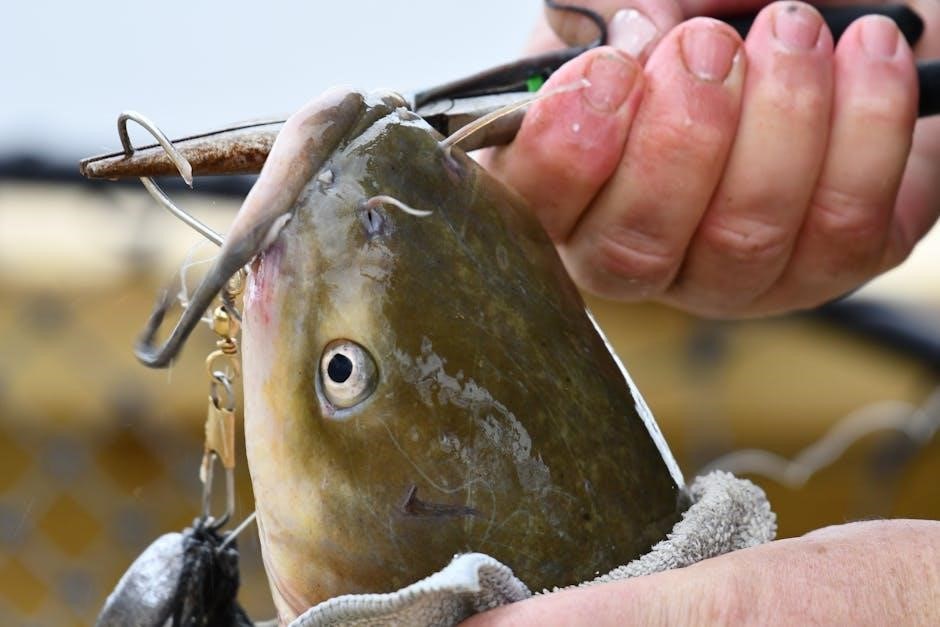
Santee Cooper lakes are home to four primary catfish species‚ each presenting unique angling opportunities. The Blue Catfish reigns supreme‚ known for its impressive size and fighting ability‚ often exceeding 50 pounds. Flathead Catfish offer a challenging pursuit‚ favoring live bait and lurking near structure. Channel Catfish are more readily accessible‚ providing consistent action for anglers of all skill levels.
While less prominent‚ White Catfish are also present‚ typically smaller in size but abundant in certain areas. Each species exhibits distinct preferences regarding habitat‚ bait‚ and fishing techniques. Successful anglers adapt their strategies based on their target species and the prevailing conditions. Recognizing these differences is crucial for maximizing your catch rate in Santee Cooper.
Blue Catfish: The Premier Target
Blue Catfish are the undisputed giants of Santee Cooper‚ drawing anglers seeking trophy-sized specimens. These fish can grow to enormous proportions‚ with catches exceeding 100 pounds regularly reported. They thrive in the lake’s expansive waters‚ often congregating in river channels and around submerged structure.
The Santee Cooper rig is exceptionally effective for targeting Blue Catfish‚ utilizing a Carolina-style setup with a focus on presenting bait naturally. Cut bait‚ particularly bluegill and shad‚ are highly favored. Patience is paramount‚ as Blue Catfish often require time to locate and commit to a bite. Anglers should focus on deeper water and areas with current.
Flathead Catfish: A Challenge for Anglers
Flathead Catfish present a unique challenge for Santee Cooper anglers‚ demanding specialized techniques and a keen understanding of their behavior. Unlike Blue Catfish‚ Flatheads are ambush predators‚ preferring to lie in wait near heavy cover like submerged trees and rocks. Live bait is crucial for success‚ with bluegill and other panfish being their preferred meals.
Locating Flatheads requires targeting these structural elements. A slower presentation is key‚ allowing the bait to remain within the strike zone longer. While not as abundant as Blue Catfish‚ the potential for a truly massive Flathead keeps anglers returning. Expect powerful runs and a demanding fight when hooked!
Channel Catfish: Readily Accessible Fishing
Channel Catfish in Santee Cooper offer a more readily accessible fishing experience‚ appealing to both novice and experienced anglers. They are less selective in their feeding habits than Flatheads‚ responding well to a variety of baits‚ including cut bait‚ stink baits‚ and prepared options. These catfish are often found in shallower waters and along channel edges‚ making them easier to locate.
Drift fishing and anchor fishing are both effective techniques for targeting Channel Catfish. Their willingness to bite makes them a great species for building confidence and enjoying consistent action. While typically smaller than Blue or Flathead Catfish‚ they provide excellent table fare and exciting fights.
White Catfish: Common but Smaller
White Catfish are abundant within the Santee Cooper lakes‚ representing a significant portion of the overall catfish population. However‚ anglers generally target them less frequently due to their comparatively smaller size. They thrive in a variety of habitats‚ including channels‚ creeks‚ and submerged structures‚ making them widespread throughout the system.
While not reaching the trophy sizes of Blue or Flathead Catfish‚ White Catfish still offer enjoyable angling opportunities‚ particularly for those seeking consistent bites. They readily take a range of baits‚ similar to Channel Catfish‚ and can be caught using both drift fishing and anchor fishing techniques. They are a reliable species for a day on the water.
Essential Gear for Catfishing Santee Cooper
Catfishing Santee Cooper demands robust tackle; balancing power for large catfish with sensitivity to detect subtle bites is crucial for angling success.
Rod and Reel Combinations
Selecting the right rod and reel is paramount for Santee Cooper catfishing‚ considering the potential for truly massive fish. A medium-heavy to heavy-action rod‚ typically 7 to 8 feet in length‚ provides the backbone needed to handle powerful catfish. Graphite or composite rods offer excellent sensitivity for bite detection‚ while fiberglass provides durability.
Pair this with a high-quality baitcasting reel with a smooth drag system and a gear ratio between 5:1 and 6:1. This balance allows for both powerful retrieves and controlled line management. Look for reels with stainless steel bearings for corrosion resistance in the lake’s environment. The combo should feel balanced and comfortable in your hands‚ enabling long hours of fishing without fatigue. Prioritize durability and reliability when making your selection.
Line Selection for Catfish
Choosing the appropriate line is crucial when targeting Santee Cooper’s sizable catfish. Braided line is highly recommended due to its exceptional strength‚ minimal stretch‚ and sensitivity – allowing for better bite detection at distance. A test strength of 50-80 pound test is generally suitable‚ depending on the size of fish anticipated and structure being fished around.
Monofilament line can also be used‚ offering more stretch and affordability‚ but requires a higher test strength (60-100lb) to achieve comparable strength to braid. Consider a line with low visibility to reduce suspicion from wary catfish. Always inspect your line regularly for abrasions and replace it as needed to prevent break-offs when battling a trophy fish.
Hook Sizes and Types
Selecting the right hook is vital for successful catfish angling in Santee Cooper. Circle hooks are widely favored‚ particularly for bait fishing‚ as they promote consistent hooksets in the corner of the mouth‚ aiding in safe release. Sizes 8/0 to 12/0 are common choices‚ adjusted based on bait size and target species.
For larger baits targeting bigger catfish‚ opt for larger hook sizes. J-hooks can also be used‚ but require a more deliberate hookset. Ensure hooks are incredibly sharp; a dull hook will result in missed opportunities. Consider using chemically sharpened hooks for enhanced penetration. Regularly inspect and sharpen hooks to maintain optimal performance throughout your fishing trip.
The Santee Cooper Rig: A Detailed Look
The Santee Cooper rig is a bottom-fishing setup renowned for its effectiveness in presenting bait naturally to catfish. It features a slip sinker – typically an egg or bank sinker weighing 4-8 ounces – sliding freely on the main line above a swivel. A leader line‚ 24-36 inches long‚ is tied to the swivel’s other end‚ with the hook attached at the terminal end.
This rig allows catfish to take the bait without feeling the weight of the sinker‚ resulting in more solid hooksets. The length of the leader can be adjusted based on current and bottom conditions. It’s a versatile rig suitable for various bait presentations and is a staple among Santee Cooper anglers.
Bait and Techniques for Success
Catfish in Santee Cooper respond well to live bait like bluegill and shad‚ cut bait strategies‚ and potent stink or prepared baits for optimal results.
Live Bait Options: Bluegill‚ Shad‚ and More
Santee Cooper’s catfish are highly attracted to fresh‚ lively baitfish. Bluegill consistently rank as a top choice‚ particularly for larger blue and flathead catfish‚ due to their natural appeal and scent. Shad‚ another abundant forage species in the lakes‚ also proves incredibly effective‚ especially when catfish are actively feeding on shad schools.
Beyond these staples‚ consider using other locally available live bait like bream or creek chubs. The key is ensuring the bait remains lively and presented naturally. Proper hook placement is crucial – hook the baitfish through the lips or back to allow for a natural swimming action. Using a Carolina rig or a slip-sinker rig allows the bait to move freely‚ attracting more strikes from hungry catfish.
Remember to check local regulations regarding the use of live bait.
Cut Bait Strategies
Cut bait is a highly effective and economical option for targeting catfish in Santee Cooper. Freshly cut shad or bluegill are prime choices‚ releasing strong scent trails that attract catfish from a distance. Chunking the bait – cutting it into 2-4 inch pieces – is a popular method‚ allowing for a larger scent disbursement.
When using cut bait‚ consider the presentation. A Carolina rig or a three-way rig works well‚ allowing the bait to sit naturally on the bottom. Secure the cut bait firmly to the hook‚ using bait elastic if necessary to prevent it from falling off during casting or in strong currents. Vary the size of the cut bait pieces to see what the catfish prefer on any given day.
Don’t underestimate the power of oily fish!
Stink Baits and Prepared Baits
Stink baits and commercially prepared catfish baits offer a potent alternative to live or cut bait in Santee Cooper. These baits are formulated with strong‚ pungent odors designed to attract catfish‚ even in murky water or when natural forage is scarce. Popular options include dip baits‚ punch baits‚ and dough baits‚ available in a variety of flavors.
When using stink baits‚ a treble hook or circle hook is often preferred‚ allowing for a secure hold on the sticky substance. Apply the bait liberally to the hook‚ ensuring a strong scent trail. Prepared baits can be molded around the hook or used with a bait holder. Experiment with different brands and flavors to determine what works best in Santee Cooper.
Remember to check local regulations regarding bait restrictions!
Drift Fishing Techniques
Drift fishing is a highly effective method for locating catfish in Santee Cooper‚ particularly in expansive areas or along submerged structures. This technique involves allowing the boat to drift with the wind or current while presenting baits behind it. Utilize a Santee Cooper rig or a Carolina rig with sufficient weight to maintain bottom contact.
Slow‚ controlled drifts are crucial‚ allowing the bait to thoroughly search the bottom. Pay close attention to your line for subtle bites‚ as catfish often pick up the bait and move with it before a pronounced strike. Vary your drift speed and direction to cover more ground and identify productive areas.
Employing your fish finder during the drift can reveal submerged timber‚ channels‚ or other structures holding catfish.
Anchor Fishing Strategies
Anchor fishing excels when you’ve pinpointed a promising location in Santee Cooper‚ like a channel edge or near submerged structure. Securely anchor your boat upstream of the target area‚ allowing your bait to drift naturally back towards the structure with the current.
Fan cast multiple lines at varying distances to maximize coverage; The Santee Cooper rig is particularly well-suited for this approach‚ providing excellent bottom contact and bite detection. Regularly check your bait‚ as catfish can quickly strip the hook.
Consider using different bait presentations on each line to determine what the catfish prefer. Patience is key when anchor fishing; allow ample time for the fish to locate your bait.
Locating Catfish in Santee Cooper
Catfish thrive around river channels‚ dams‚ and submerged structures within Santee Cooper; understanding seasonal patterns significantly boosts your chances of locating these fish.
Key Areas: River Channels and Structure
Catfish in Santee Cooper are strongly drawn to the lake’s prominent river channels‚ offering both current and deep-water refuge. These channels act as highways for foraging catfish‚ especially during seasonal migrations. Focus your efforts along the main channel edges and any significant bends or turns.
Beyond the channels‚ structure is paramount. Look for submerged timber‚ brush piles‚ and rocky outcroppings. These areas provide cover‚ ambush points‚ and attract baitfish – a crucial component of a catfish’s diet. Utilize your fish finder to identify these underwater features and mark them for future exploration.
Pay close attention to areas where the channel intersects with structure; these are prime locations where catfish will congregate. Don’t overlook ledges and drop-offs adjacent to channels‚ as these provide ideal staging areas for feeding catfish.
Fishing Near Dams and Tailraces
The dams on Santee Cooper Lakes create significant tailrace areas‚ becoming magnets for catfish. The turbulent water and increased oxygen levels attract baitfish‚ subsequently drawing in larger predatory catfish. Focus your efforts immediately downstream of the dam‚ but be mindful of safety regulations and restricted zones.
Catfish often position themselves to take advantage of the current‚ ambushing prey as it’s swept along. Target eddies and seams where the current breaks‚ as these areas offer a respite for baitfish and a feeding opportunity for catfish.
Consider fishing both the bottom and slightly higher in the water column‚ as catfish may adjust their feeding depth based on current strength and baitfish distribution. Remember to adjust your rig and bait presentation to effectively target these dynamic areas.
Identifying Prime Fishing Spots
Locating productive areas is crucial for Santee Cooper catfish success. River channels‚ creek arms‚ and submerged structures – like timber and brush piles – consistently hold catfish. Utilize a fish finder to identify these underwater features and potential holding spots.
Pay attention to changes in bottom composition. Catfish often congregate where hard bottom transitions to softer areas‚ as these zones typically harbor more invertebrate activity. Look for drop-offs‚ ledges‚ and points that create ambush locations.
Don’t overlook areas near inlets and outlets where water flows in or out of the lakes. These locations often concentrate baitfish and attract catfish seeking a meal. Consistent scouting and observation are key to unlocking the best spots.
Understanding Seasonal Patterns
Catfish behavior in Santee Cooper shifts dramatically with the seasons. Spring brings warmer waters and increased feeding activity as catfish prepare to spawn. Focus on shallow areas and creek channels during this time.
Summer finds catfish seeking cooler‚ deeper water. Target main lake basins‚ river ledges‚ and areas with current. Night fishing often proves most productive during the hot summer months.
Fall triggers another feeding frenzy as catfish bulk up for winter. Explore transition areas between deep and shallow water‚ and concentrate on areas where baitfish are abundant. Winter sees catfish becoming less active‚ requiring slower presentations and precise bait placement in deeper holes.

Advanced Catfishing Tips
Catfishing Santee Cooper demands patience‚ careful observation of water conditions‚ and utilizing fish finders to locate prime catfish holding areas effectively.
The Importance of Patience
Catfishing on Santee Cooper Lakes isn’t about instant gratification; it’s a testament to angling endurance and unwavering patience. Success often hinges on prolonged waits‚ especially when targeting larger specimens. Anglers must understand that catfish feed sporadically‚ and extended periods without bites are common.
Don’t be discouraged by slow action. Maintaining a consistent presentation and resisting the urge to constantly relocate are crucial. The lakes’ vastness requires dedication. Experienced anglers emphasize that the most rewarding catches often come after hours of quiet anticipation.
Embrace the tranquility of the lakes and view downtime as an opportunity to refine your strategy‚ observe subtle changes in the environment‚ and prepare for the inevitable strike. Patience truly is a virtue when pursuing Santee Cooper’s monster catfish.
Reading the Water Conditions
Successful catfishing on Santee Cooper demands a keen understanding of prevailing water conditions. Factors like water temperature‚ clarity‚ and current significantly influence catfish behavior. Pay close attention to seasonal changes; warmer spring days trigger increased activity‚ while colder months may require slower presentations.
Observe the water’s color – murky water often holds catfish‚ as it provides cover and reduces visibility for prey. Note any current seams or eddies‚ as catfish often ambush prey in these areas. Wind direction can also impact catfish location‚ creating feeding zones.
Understanding these nuances allows anglers to adapt their techniques and target areas where catfish are most likely to be actively feeding‚ maximizing their chances of a rewarding catch.
Utilizing Fish Finders
Fish finders are invaluable tools for locating catfish in Santee Cooper’s expansive waters. Focus on identifying submerged structure like timber‚ brush piles‚ and creek channels – prime catfish habitats. Look for concentrations of baitfish‚ as catfish will often be nearby.
Pay attention to depth changes and contour lines; catfish frequently hold along drop-offs and ledges. Utilize the fish finder to mark these spots for future reference. Observe the sonar returns; distinct arches often indicate fish presence.
Don’t solely rely on the fish finder‚ but use it to confirm your suspicions and refine your search pattern‚ increasing your efficiency and ultimately‚ your catfish catch rate.
Catching Monster Catfish: Stories and Records
Santee Cooper is legendary for producing truly massive catfish‚ captivating anglers for decades. Stories abound of 100-pound-plus blue catfish‚ fueling the pursuit of a new lake record. A recent behemoth weighed in at an astounding 103 pounds‚ showcasing the potential within these waters.
Local anglers often share tales of epic battles‚ requiring significant skill and stamina to land these giants. These successes often involve patiently presenting large cut bait offerings near structure or in deep channels.
The thrill of potentially hooking a record-breaking catfish adds an extra layer of excitement to every cast‚ making Santee Cooper a dream destination for serious catfish hunters.
Regulations and Conservation
South Carolina requires a valid fishing license to fish Santee Cooper. Adhering to size and creel limits ensures sustainable catfish populations for future generations of anglers.
South Carolina Fishing Licenses
Obtaining a South Carolina fishing license is crucial before angling in the Santee Cooper lakes. Several options cater to different angler needs‚ including annual‚ short-term‚ and lifetime licenses. Residents and non-residents have varying fee structures‚ easily accessible through the South Carolina Department of Natural Resources (SCDNR) website;
The SCDNR website provides detailed information on license types‚ costs‚ and purchasing options‚ including online‚ at local retailers‚ and at SCDNR offices. It’s essential to carry your license while fishing and present it upon request by enforcement officers. Specific license requirements may apply to certain fishing methods or locations‚ so thorough research is recommended. Remember‚ license fees contribute directly to fisheries management and conservation efforts‚ ensuring healthy catfish populations for years to come.
Catfish Size and Creel Limits
Understanding Santee Cooper’s catfish regulations is vital for responsible angling. South Carolina Department of Natural Resources (SCDNR) establishes specific creel limits – the maximum number of fish an angler can keep – and size restrictions for each catfish species. These regulations aim to sustain healthy populations and promote fair fishing opportunities.
Blue catfish often have generous limits‚ reflecting their abundance‚ while flathead catfish may have more restrictive rules due to slower growth rates. Channel and white catfish also have defined limits. Anglers must consult the SCDNR’s current fishing guide for precise details‚ as regulations can change annually. Catch-and-release practices are encouraged‚ especially for larger‚ trophy-sized fish‚ contributing to the long-term health of the fishery.
Responsible Fishing Practices
Preserving Santee Cooper’s incredible catfish fishery requires diligent adherence to responsible angling practices. Prioritize catch and release‚ especially for larger breeding-age fish‚ to ensure population sustainability. Handle fish with care‚ using wet hands or rubber nets to avoid removing protective slime. Minimize fight time to reduce stress.
Properly dispose of fishing line and trash‚ preventing entanglement hazards for wildlife and maintaining the lakes’ pristine environment. Respect other anglers and boaters‚ adhering to boating safety regulations. Support SCDNR’s conservation efforts by reporting any observed violations. Practice selective harvesting‚ keeping only what you intend to consume‚ and always comply with current size and creel limits.