Understanding Manual Door Control Systems
Manual door control relies on direct human interaction, utilizing components like closers, pivots, and locking mechanisms. These systems offer simplicity and reliability,
often found in commercial settings, and require no electrical power for basic operation.
What is a Manual Door Controller?
A manual door controller isn’t a single, distinct electronic device in the same way as automated systems. Instead, it represents the collective functionality of mechanical components working together to manage door operation; These systems prioritize human-powered control, relying on physical interaction to initiate and regulate door movement.
Essentially, a manual controller encompasses elements like door closers – which regulate closing speed – pivots and hinges ensuring smooth swinging, and manual locking mechanisms for security. While some systems might incorporate basic mechanical linkages for latching or holding doors open, they fundamentally lack the electronic sensors, motors, and programmed logic found in automatic door controllers.
Even with the advent of advanced VVVF controllers and Arduino-based systems, the core principle of a manual controller remains: direct, physical manipulation to govern the door’s behavior. The ESA II controller, while capable of reversing motor direction, still requires manual intervention for initial setup and differing settings.
Types of Manual Door Controllers
While “types” of manual controllers aren’t defined by electronic variations, they are categorized by the mechanism used for control and door closure. Overhead concealed door closers are common in commercial settings, offering a sleek aesthetic while providing controlled closing. Surface-mounted door closers are another prevalent type, directly attached to the door and frame for simpler installation.
Further categorization comes from the door’s pivot and hinge system. Commercial door pivots allow for smooth, heavy-duty operation, ideal for high-traffic areas. Standard hinges, while simpler, are suitable for lighter doors. Locking mechanisms also define a “type” – ranging from simple manual latches to more complex deadbolt systems.
The integration of basic mechanical linkages, like hold-open devices, can also be considered a variation. Though not electronically controlled, these features enhance usability. Even systems utilizing a VVVF door controller for power assistance still fundamentally rely on manual initiation, blurring the lines between fully manual and assisted control.
Components of a Manual Door Control System
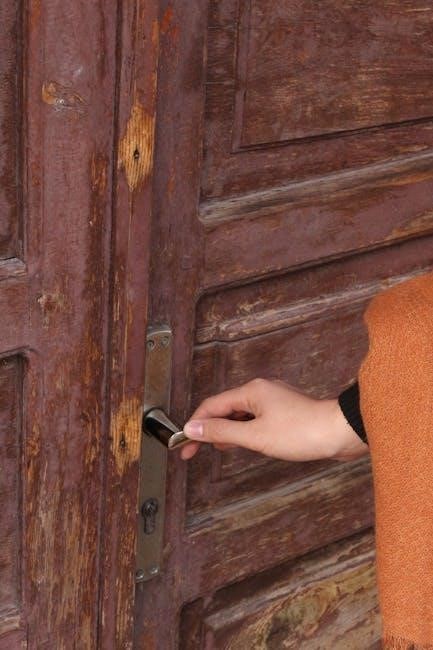
Essential components include door closers, pivots, and hinges, ensuring smooth and controlled operation. Locking mechanisms provide security, while proper installation is crucial for functionality.
Door Closers: Types and Functions
Door closers are integral to manual door control, automatically returning the door to a closed position after use. They enhance security, conserve energy, and provide accessibility. Several types exist, each suited for different applications and traffic levels.
Overhead concealed door closers are mounted within the door frame, offering a sleek aesthetic and are commonly used in commercial buildings. Surface-mounted door closers are installed on the door’s surface, providing easier installation and adjustment. These are often found in residential or lighter commercial settings.
The function of a door closer is regulated by adjustable settings for closing speed, latch speed, and backcheck. Backcheck prevents the door from slamming open in windy conditions. Proper adjustment ensures smooth, controlled operation and prevents damage to the door or frame. Selecting the correct closer type and adjusting it correctly are vital for optimal performance and longevity.
Pivots and Hinges: Ensuring Smooth Operation
Pivots and hinges are fundamental to the smooth and reliable operation of any manual door. They facilitate the door’s movement, bearing its weight and enabling controlled opening and closing. The selection of appropriate pivots and hinges is crucial, depending on the door’s size, weight, and frequency of use.
Commercial door pivots are designed for heavy-duty applications, supporting large and frequently used doors. They allow for a wider range of motion and can handle significant weight. Concealed door hinges offer a clean, minimalist aesthetic, hiding the hardware for a more refined look. Standard hinges are suitable for lighter-duty applications.
Proper installation and maintenance are essential. Misaligned hinges or worn pivots can cause binding, sticking, or uneven door operation. Regular inspection and lubrication ensure continued smooth function, preventing premature wear and extending the lifespan of both the door and its hardware.
Locking Mechanisms: Manual Locking Systems
Manual locking systems provide a straightforward method of securing doors, relying on physical keys or simple latching mechanisms. These systems are valued for their reliability and independence from electrical power, offering a secure solution even during outages. Various types cater to different security needs and aesthetic preferences.
Common manual locking options include mortise locks, cylinder locks, and latch bolts. Mortise locks are robust and offer high security, while cylinder locks are versatile and widely used. Latch bolts provide basic security for interior doors. The choice depends on the level of security required and the door’s application.
Maintaining these systems involves regular lubrication of moving parts and inspection for wear or damage. If a door presents difficulty locking/unlocking, it may indicate a misaligned strike plate or a worn lock cylinder, requiring adjustment or replacement. Proper functioning ensures consistent security and ease of use.

Wiring and Electrical Considerations
Electrical considerations are crucial when integrating power into manual door systems, especially with ESA II controllers or VVVF drives, demanding careful wiring and adherence to safety protocols.
Basic Wiring Diagrams for Manual Door Controllers
Understanding wiring diagrams is fundamental for proper installation and troubleshooting of manual door controllers. For ESA II controllers, diagrams illustrate connections for power supply, open/close buttons, safety devices (like photo eyes), and locking mechanisms. These diagrams typically show the control unit receiving input from push buttons to initiate door movement.
VVVF door controllers, being more sophisticated, require more complex wiring schemes. Diagrams detail connections for the AC mains electricity supply, the electric motor, encoder feedback, and various control signals. Parameter settings within the VVVF controller dictate motor behavior based on these inputs.
Arduino-based controllers utilize a different approach, with wiring focused on connecting sensors, relays (for motor control), and the Arduino board itself. The schematic will show how the Arduino interprets sensor data and activates the appropriate relays to open or close the door. Always consult the specific controller’s manual for accurate wiring instructions.
Power Supply Requirements
Power supply needs vary significantly depending on the type of manual door controller. ESA II controllers generally operate on standard AC mains electricity, requiring a stable voltage supply – typically 110V or 220V, depending on the region. Proper grounding is crucial for safety and to prevent electrical interference.
VVVF door controllers also utilize AC mains power, but often incorporate internal power supplies to generate lower DC voltages for internal circuitry. The manual specifies the acceptable voltage range and current draw. Ensuring the power supply meets these requirements is vital for reliable operation.
Arduino-based controllers offer flexibility, commonly accepting 12V or 24V DC power. This allows for operation from batteries or readily available DC power adapters. The Garage Door Controller with Controllino also falls into this category, needing a compatible DC power source. Always verify the polarity before connecting the power supply.
Safety Precautions During Wiring
Prioritize safety when wiring any manual door control system. Always disconnect the main power supply before commencing any electrical work. Verify the power is off using a reliable voltage tester. Incorrect wiring can lead to system malfunction, electrical shock, or fire hazards.
When working with AC mains electricity for ESA II or VVVF controllers, adhere to local electrical codes and regulations. Use appropriately rated wiring and connectors. Ensure all connections are secure and properly insulated. Double-check wiring diagrams before making connections, referencing the controller’s manual.
For Arduino-based or Controllino projects utilizing DC power, observe polarity; Reverse polarity can damage the controller. Use fused power supplies to protect against short circuits. Keep wiring neat and organized to prevent accidental disconnections or damage. If unsure, consult a qualified electrician.
Troubleshooting Common Issues
Common problems include doors failing to close, locking difficulties, or motor direction reversal (ESA II). Careful inspection, referencing manuals, and verifying wiring are crucial for resolution.
Door Not Closing Properly
A door failing to close completely often stems from several potential issues within a manual control system. First, inspect the door closer itself. Ensure it’s properly adjusted; the closing speed might be set too slow, or the latch mechanism isn’t engaging correctly. Check for obstructions – dirt, debris, or physical impediments – hindering the door’s path.
Pivots and hinges are also critical. Worn or misaligned hinges can cause binding, preventing a clean closure. Lubricate these components regularly to ensure smooth operation. If the door closer’s spring tension is insufficient, it won’t provide enough force to overcome friction. Adjust the tension according to the manufacturer’s instructions.
Furthermore, verify the door’s alignment within the frame. Gaps or uneven surfaces can create resistance. For ESA II controllers, a misconfigured setting might contribute to the problem; restoring original settings and manually re-adjusting locking types could resolve it. A thorough examination of all components is essential for effective troubleshooting.
Difficulty Locking/Unlocking the Door
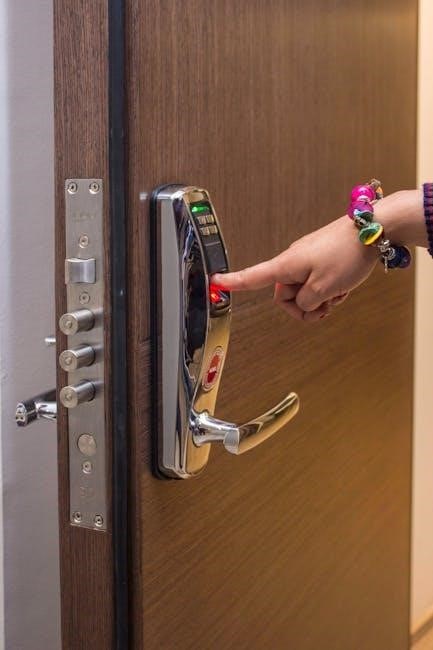
Challenges with locking or unlocking a manually controlled door frequently point to issues within the locking mechanism itself or misalignment. Begin by inspecting the latch and strike plate, ensuring they align perfectly. A worn or damaged strike plate can prevent proper engagement, requiring adjustment or replacement.
Lubrication is key; apply a suitable lubricant to the locking cylinder and internal components to reduce friction. If the key is difficult to turn, avoid forcing it, as this could damage the mechanism. Examine the door’s alignment – warping or settling can cause binding.
For systems utilizing ESA II controllers, remember that differing settings, like locking type, may require manual re-configuration after restoring original parameters. Ensure the door closer isn’t applying excessive pressure, hindering the locking process. A professional locksmith may be needed for complex issues or damaged components, guaranteeing security and smooth operation.
Motor Direction Reversal (ESA II Controllers)
Unexpected motor direction reversal in doors equipped with DORMA ESA II controllers is a specific issue addressed in the controller’s wiring manual. If a door unexpectedly begins to open, the immediate corrective action is to press the minus button on the control unit. This action initiates a change in the motor’s direction, halting unwanted movement.
It’s crucial to understand that this is a temporary fix. Following this reversal, a thorough review of the controller’s settings is essential. Any differing settings, particularly those related to the locking type or operational parameters, must be manually re-established to their intended configurations;
This ensures the system functions predictably and safely. Ignoring this step can lead to recurring reversals or other operational anomalies. Always consult the ESA II controller and wiring manual for detailed instructions and safety guidelines when adjusting settings.
Advanced Control Options
Modern advancements include VVVF door controllers with detailed specifications, Arduino-based two-door systems offering versatile setup options, and Controllino platforms for garage door automation.
VVVF Door Controller Specifications
VVVF (Variable Voltage Variable Frequency) door controllers represent a significant leap in door automation technology, offering precise control and energy efficiency. These controllers, like the DRVF-2012A, manage electric motors with variable voltage and frequency, adapting to diverse door sizes and weights. Key specifications typically include a wide input voltage range, accommodating various power supplies.
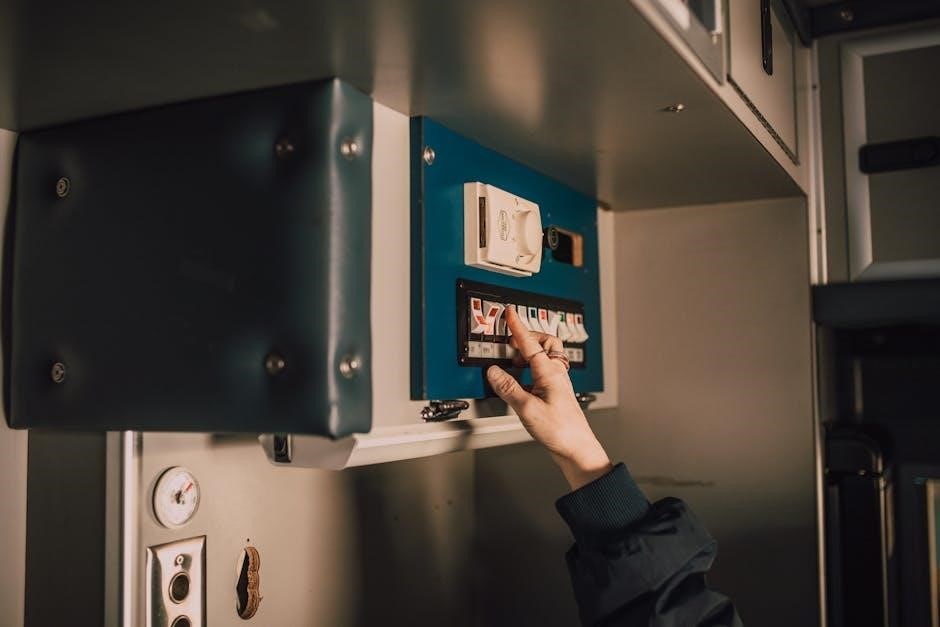
The controllers feature adjustable parameters for opening and closing speeds, acceleration/deceleration rates, and holding times, ensuring smooth and safe operation. They often incorporate safety features like obstacle detection and reversal mechanisms. Detailed wiring diagrams are crucial for proper installation, outlining connections for the motor, power supply, and safety devices.
Parameter settings allow customization for specific door characteristics and user preferences. Understanding these specifications is vital for technicians installing and maintaining these advanced systems, ensuring optimal performance and longevity. The documentation provides comprehensive details on component functionality and troubleshooting procedures;
Arduino-Based Two-Door Controller Features
Arduino-based two-door controllers offer a flexible and cost-effective solution for access management, blending manual control principles with microcontroller capabilities. Utilizing an Arduino Nano, these systems can be powered by 12V or 24V, providing versatility in power source options. A key feature is the ability to manage two doors independently, enhancing security and convenience.
The hardware design, including schematics and PCB layouts, is often openly available, allowing for customization and modification. These controllers support various setup configurations, adapting to different door types and locking mechanisms. Integration with sensors, such as magnetic reed switches, enables status monitoring – knowing if a door is open or closed.
While offering automated features, these systems can also incorporate manual override options for emergency situations or power outages. The open-source nature of Arduino fosters community support and continuous development, making it a powerful platform for DIY security solutions.
Garage Door Control with Controllino
Controllino provides a robust platform for automating garage door operations, bridging the gap between manual control and intelligent home systems. This solution integrates hardware control with web-based interaction, allowing users to manage their garage door remotely via a user-friendly interface. The system offers a secure and convenient alternative to traditional manual operation.
The Controllino-based garage door controller typically features relay outputs for controlling the garage door motor, alongside input pins for connecting safety sensors like photo eyes or limit switches. This ensures safe operation by preventing the door from closing on obstructions. Web access enables monitoring of door status – open, closed, or in transit – and provides logging capabilities for security auditing.
Despite the automation, manual control remains possible through physical buttons or switches connected to the Controllino, offering a fallback option during network outages. The system’s modular design allows for easy expansion and integration with other smart home devices.

Maintenance and Longevity
Regular inspections, lubrication of moving parts, and timely replacement of worn components are crucial for extending the lifespan and ensuring reliable operation of manual door systems.
Regular Inspection Checklist
A consistent inspection routine is vital for maintaining optimal performance and preventing unexpected failures in manual door control systems. Firstly, examine the door closer for smooth operation, checking for leaks or damage to the hydraulic fluid chamber. Secondly, assess the pivots and hinges, ensuring they are securely fastened and move freely without binding or excessive play.
Thirdly, thoroughly inspect the locking mechanisms, verifying proper engagement and disengagement. Look for signs of wear or corrosion on latch bolts and strike plates. Fourthly, check the door’s overall alignment, noting any sagging or rubbing that could indicate structural issues. Finally, confirm that all mounting hardware is tight and secure, preventing loosening over time.
Documenting these inspections, including dates and any observed issues, creates a valuable maintenance history and facilitates proactive repairs, ultimately extending the system’s longevity and ensuring continued safe operation.
Lubrication Best Practices
Proper lubrication is crucial for the smooth and reliable operation of manual door control systems, minimizing friction and preventing premature wear. Firstly, use a silicone-based lubricant specifically designed for door hardware; avoid oil-based products that can attract dust and grime. Secondly, apply lubricant sparingly to pivots, hinges, and the door closer’s moving parts, wiping away any excess.
Thirdly, focus on areas where metal components rub against each other, ensuring complete coverage without over-saturation. Fourthly, regularly lubricate locking mechanisms, including latch bolts and strike plates, to maintain smooth engagement. Finally, avoid lubricating rubber seals, as this can cause them to swell and lose their effectiveness.
Establishing a routine lubrication schedule, typically every six to twelve months, depending on usage, will significantly extend the lifespan of the components and ensure consistent performance. Always refer to the manufacturer’s recommendations for specific lubrication guidelines.
Replacing Worn Components
Over time, components within a manual door control system will inevitably wear and require replacement to maintain optimal functionality. Firstly, regularly inspect hinges, pivots, and the door closer for signs of damage, such as cracks, corrosion, or excessive play. Secondly, if a hinge or pivot becomes loose or damaged, replace it with a direct equivalent to ensure proper door alignment.
Thirdly, a failing door closer will exhibit inconsistent closing speeds or difficulty latching; replacement is often the most effective solution. Fourthly, worn locking mechanisms, including cylinders and strike plates, should be replaced promptly to maintain security. Finally, when replacing components, always use high-quality replacements that meet or exceed the original specifications.
Proper installation is critical; consult manufacturer’s instructions or a qualified technician to ensure correct fitting and alignment. Proactive component replacement prevents more extensive and costly repairs down the line.