Eyebrow Color Guide: A Comprehensive Overview (Updated 03/24/2026)
Navigating eyebrow color choices can be surprisingly complex, especially as trends evolve and personal preferences shift. Adjusting to graying eyebrows presents unique challenges,
while achieving fuller brows often involves more than just serums or salon treatments. Finding the perfect brow product requires considering diverse skin tones and navigating a vast market.
This guide offers a detailed exploration of eyebrow colors, considering natural shades, skin tone compatibility, and hair color coordination. We’ll delve into coloring techniques,
from DIY tinting to professional options, and explore current trends like bleached brows and color correction strategies.
Ultimately, the goal is to empower you to make informed decisions about your eyebrow color, enhancing your natural beauty and expressing your individual style.
Google Maps can help you explore local beauty services, but this guide focuses on the color itself.
Understanding Your Natural Eyebrow Color
Determining your natural eyebrow color is the foundational step in achieving a harmonious and flattering look. It’s more nuanced than simply labeling them “brown” or “blonde.”
Consider the undertones – are they warm, cool, or neutral? Observing your eyebrow color in natural light is crucial, as artificial lighting can distort perceptions.
Your natural eyebrow shade is intrinsically linked to your hair and skin tone, often reflecting your genetic heritage. However, it can subtly shift over time due to factors like sun exposure,
hormonal changes, and the natural aging process. The inevitable graying of eyebrow hair, as with scalp hair, is a common occurrence, and embracing this transition is a valid choice.
Many individuals don’t realize the impact of even slight variations in eyebrow color. A seemingly minor difference can significantly alter your overall facial appearance.
Understanding whether your natural color is light, medium, or dark provides a starting point for making informed decisions about enhancement or modification.
Furthermore, recognizing the current state of your eyebrows – whether they’re fully pigmented, partially graying, or significantly faded – is essential for selecting appropriate coloring techniques and shades.
This self-assessment forms the basis for a personalized eyebrow color strategy, ensuring a result that complements your unique features and preferences.
The Impact of Skin Tone on Eyebrow Color Choice
Skin tone plays a pivotal role in determining the most flattering eyebrow color. It’s not a one-size-fits-all approach; what looks stunning on one person might appear harsh or washed out on another.
Generally, skin tones are categorized as warm, cool, or neutral, and each benefits from specific eyebrow shades.
Individuals with warm skin tones – characterized by golden, yellow, or peach undertones – typically look best with warm-toned eyebrow colors like soft browns, auburns, or even reddish-blondes.
Avoiding overly cool or ashy tones is crucial, as they can create a discordant appearance.
Cool skin tones, featuring pink, red, or blue undertones, are beautifully complemented by cool-toned eyebrow colors such as ash browns, taupes, or even deeper, charcoal shades.
Warm tones can sometimes clash, making the skin appear sallow.
Neutral skin tones – possessing a balance of warm and cool undertones – enjoy the most versatility. They can often pull off a wider range of eyebrow colors,
allowing for greater experimentation. However, it’s still important to consider hair color and personal preference when making a final decision. Finding the right brow product can be tricky, but understanding your skin tone is key.
Eyebrow Color and Hair Color: Finding the Right Match
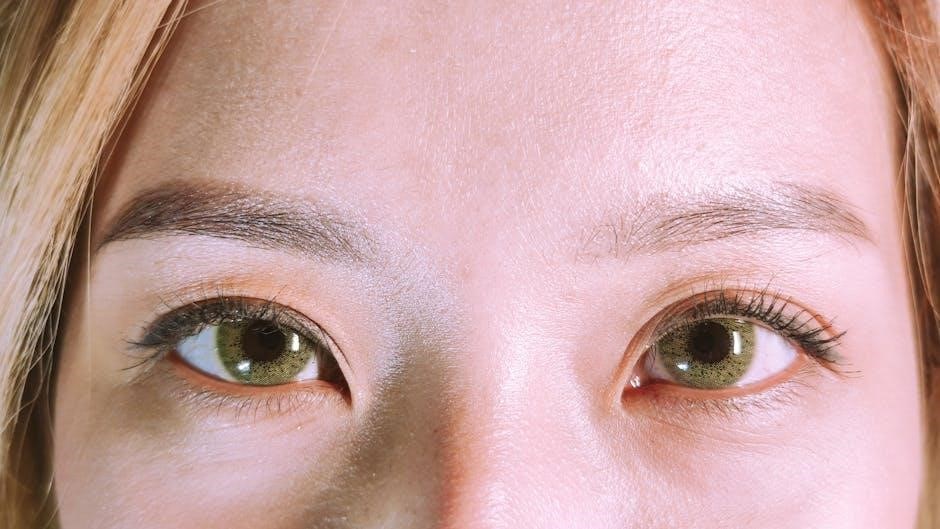
Achieving a harmonious look often hinges on coordinating eyebrow color with your hair color. While matching them exactly isn’t always necessary – or even desirable –
a thoughtful approach ensures a balanced and natural appearance. The goal is to complement, not compete.
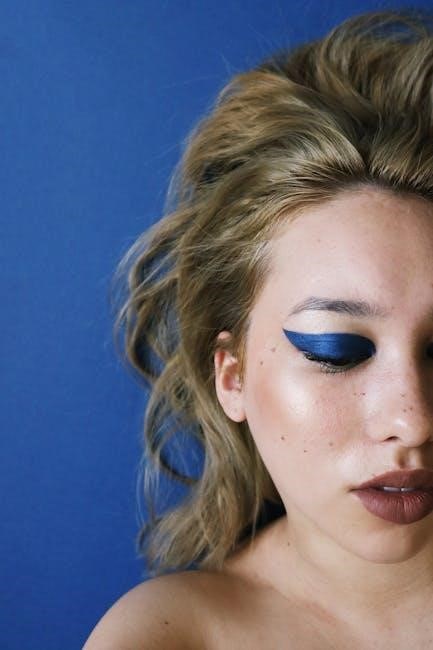
For blondes, lighter eyebrow shades like soft blonde, light brown, or even a slightly ashier tone generally work best. Darker eyebrows can sometimes appear too severe.
However, a bolder brow can create a striking contrast for those embracing a more dramatic style.
Brunettes have more flexibility, with medium to dark brown eyebrows being a classic and universally flattering choice.
Those with very dark hair can opt for black or deep charcoal, while lighter brunettes might prefer a softer brown shade.
Redheads should steer clear of overly warm or orange-toned eyebrows, as this can look unnatural.
Auburn, copper, or a soft reddish-brown are excellent choices. Graying hair presents its own challenges, requiring careful consideration of eyebrow color to maintain balance.
Ultimately, finding the right brow product is about enhancing your overall look.
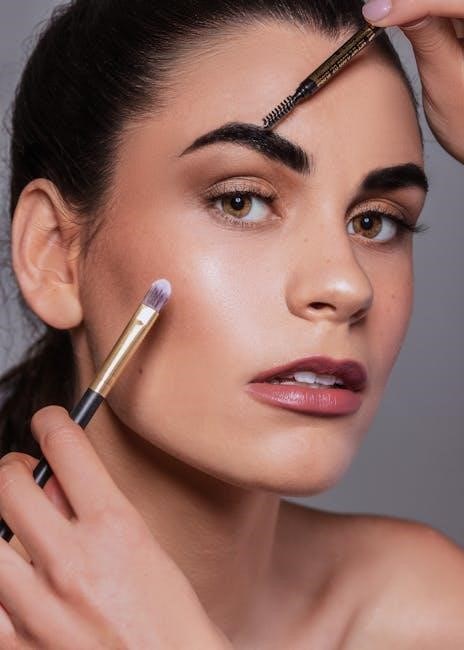
Common Eyebrow Colors & Their Characteristics
Exploring the spectrum of eyebrow colors reveals diverse aesthetics, from the boldness of black to the subtlety of blonde. Each shade possesses unique characteristics
that influence facial appearance and overall style.
This section details popular eyebrow colors, outlining their defining features and suitability for various skin tones and hair colors. Understanding these nuances
is crucial for achieving a harmonious and flattering look.
Black Eyebrows: Bold and Defining
Black eyebrows create a striking and dramatic effect, offering a strong definition to the face. This shade is naturally associated with darker hair colors, but can be intentionally chosen to provide high contrast against lighter hair and skin tones, resulting in a bold and fashionable statement.
For individuals with dark hair – think deep browns and blacks – black eyebrows often appear the most natural and harmonious. They enhance facial features, making the eyes appear more prominent and the overall look more intense. However, it’s crucial to ensure the black shade complements the skin’s undertones to avoid a harsh appearance.
Those with fair skin and lighter hair can still rock black brows, but a softer application or a slightly less intense black might be preferable. A too-severe contrast can sometimes overwhelm delicate features. Consider a softer, charcoal black for a more balanced look. Black eyebrows are particularly effective in framing the face and adding structure, making them a popular choice for those seeking a defined and polished aesthetic. They exude confidence and can instantly elevate any makeup look.
Maintenance is key with black brows, as fading can result in a reddish hue. Regular tinting or careful use of brow pencils and powders are essential to maintain the desired intensity and shape.
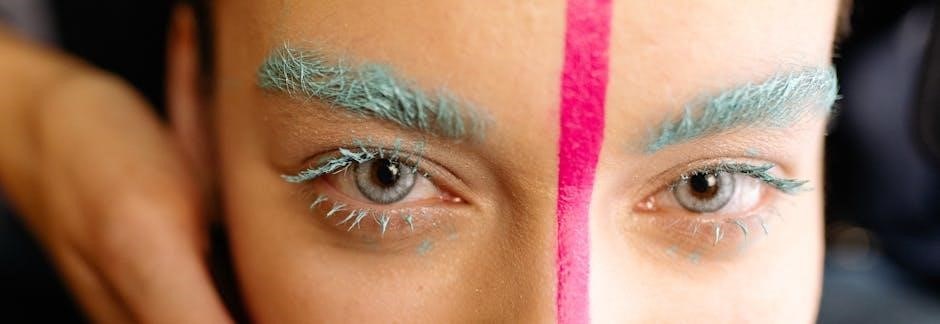
Dark Brown Eyebrows: Versatile and Natural
Dark brown eyebrows represent a universally flattering and incredibly versatile choice, seamlessly complementing a wide range of hair and skin tones. Unlike the starkness of black, dark brown offers a softer, more natural definition, enhancing facial features without appearing overly dramatic.
This shade is particularly well-suited for those with medium to dark brown hair, creating a harmonious and balanced look. However, it also works beautifully on blondes and redheads seeking a subtle yet noticeable brow enhancement. The key lies in selecting the right shade of dark brown – one that doesn’t wash out lighter complexions or clash with warmer undertones.
Dark brown brows possess an inherent approachability, lending a warm and inviting quality to the face. They’re ideal for individuals who prefer a polished yet understated aesthetic. Achieving the perfect dark brown shade often involves mixing brow powders or using a tinted brow gel to customize the color to your specific needs.
Maintenance is relatively straightforward, with less risk of unwanted color shifts compared to black brows. Regular shaping and filling are still recommended to maintain definition and fullness, ensuring your brows remain a captivating focal point.
Medium Brown Eyebrows: Soft and Approachable
Medium brown eyebrows embody a gentle and inviting aesthetic, making them an exceptionally popular choice for a diverse spectrum of complexions and hair colors. This shade strikes a beautiful balance – offering definition without appearing harsh, and warmth without being overly bold. It’s a fantastic option for those seeking a natural, everyday look.
Individuals with light to medium skin tones and hair colors, particularly those with warm undertones, often find medium brown to be their ideal match. It complements golden blondes, light browns, and even some shades of red hair beautifully. The softness of the color prevents it from overpowering delicate features.
The approachable quality of medium brown brows contributes to a youthful and friendly appearance. They’re perfect for individuals who want to enhance their natural beauty without making a dramatic statement. Achieving the right medium brown often involves layering brow products to build color gradually.
Consider using a brow pencil or powder one shade lighter than your hair color for a truly natural effect. Regular grooming and shaping will maintain the brows’ soft definition, ensuring a polished and welcoming look.
Light Brown Eyebrows: Subtle and Delicate
Light brown eyebrows represent a subtle and refined aesthetic, ideal for those who prefer a naturally understated look. This shade offers a gentle frame to the face, enhancing features without overwhelming them. It’s a particularly flattering choice for individuals with fair skin tones and lighter hair colors, creating a harmonious and balanced appearance.
Those with blonde or light auburn hair often find light brown eyebrows to be a perfect complement, adding just enough definition without appearing too harsh. The delicate hue softens facial features and contributes to a youthful, approachable vibe. It’s a versatile shade that works well with minimal makeup.
Achieving the right light brown shade requires careful consideration. Avoid colors that are too dark, as they can appear unnatural and severe. Instead, opt for a shade that’s only slightly darker than your natural hair color, or even a tone-on-tone match.
Using a light hand when applying brow products is crucial. Feathering in the color with a brow pencil or using a tinted brow gel will create a soft, natural effect. Regular grooming and shaping will maintain the brows’ delicate definition.
Blonde Eyebrows: Bright and Airy
Blonde eyebrows are a striking choice, embodying a modern and often bold aesthetic. This lighter shade creates an open and airy feel around the eyes, instantly brightening the face. While traditionally less common, blonde brows have gained significant popularity, particularly as part of the bleached brow trend and alongside lighter hair colors.
Individuals with very fair skin and platinum blonde or ash blonde hair are ideal candidates for this look. Blonde brows can beautifully complement cool undertones, enhancing a fresh and youthful appearance. However, it’s crucial to avoid washing out the face; careful consideration of brow shape and definition is key.
Achieving blonde eyebrows often requires bleaching, which should ideally be performed by a professional to minimize damage and ensure even color. Maintaining the shade requires regular touch-ups and specialized brow care products.
For a softer effect, consider a tinted brow gel in a blonde shade. This provides subtle color and definition without the commitment of bleaching. Remember that blonde brows can sometimes appear less defined, so precise shaping is essential.
Red/Auburn Eyebrows: Warm and Striking
Red or auburn eyebrows are a captivating choice, radiating warmth and making a bold statement. This vibrant hue adds a unique dimension to the face, instantly drawing attention to the eyes. While less conventional than more neutral shades, red/auburn brows can beautifully complement a range of skin tones and hair colors, particularly those with warm undertones.
Individuals with strawberry blonde, copper, or rich auburn hair are naturally suited to this look. However, even those with darker hair can pull off red brows, creating a striking contrast. It’s important to consider the intensity of the red shade, opting for a more subtle auburn for a softer effect.
Achieving red or auburn eyebrows typically involves professional tinting, as at-home dyes can be unpredictable. A skilled technician can customize the shade to perfectly match your hair and skin tone.
Maintaining the vibrancy of red brows requires regular touch-ups and color-safe brow products. Be mindful that red tones can fade faster than other colors, so consistent care is essential. This bold choice is sure to turn heads and express a confident personality.
Gray/Silver Eyebrows: Elegant and Mature
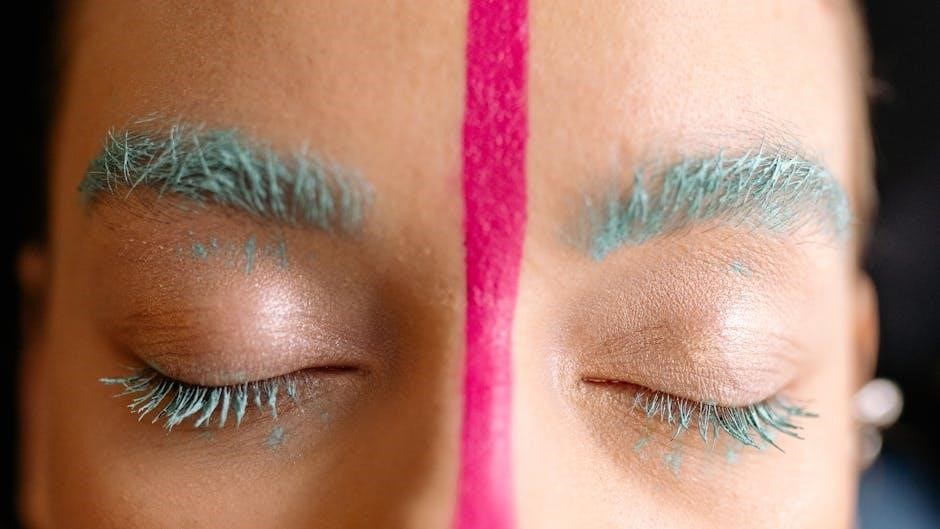
Embracing gray or silver eyebrows is a sophisticated choice, exuding an air of elegance and maturity. Increasingly popular as a symbol of confidence and self-acceptance, silver brows offer a striking alternative to traditional darker shades. This trend aligns with the growing movement of embracing natural gray hair, extending the concept to the eyebrows.
Gray or silver brows can beautifully complement fair skin tones and cooler hair colors, creating a harmonious and refined look. However, they can also work surprisingly well with warmer tones, adding an unexpected yet chic contrast. The key is to ensure the silver shade complements your overall complexion.
Achieving silver eyebrows often requires professional bleaching or tinting, particularly if your natural brow color is dark. A skilled technician can carefully lighten your brows while maintaining their health and shape.
Maintaining silver brows involves regular toning to prevent yellowing and specialized brow care to keep them conditioned. This bold statement is a testament to embracing natural beauty and challenging conventional norms, offering a unique and captivating aesthetic.
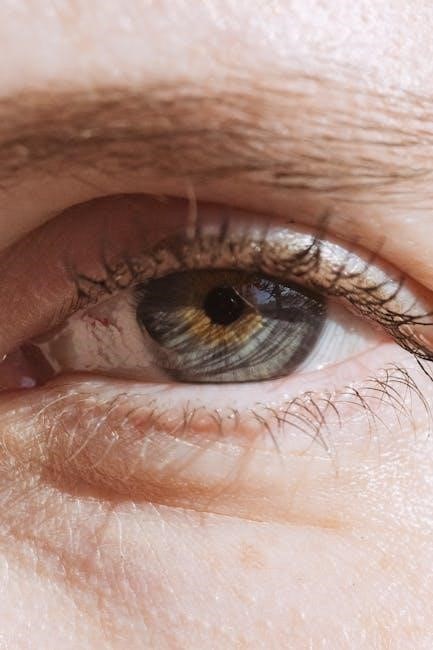
Coloring Your Eyebrows: Techniques & Considerations
Transforming your eyebrow color involves various techniques, each with unique benefits and potential risks. From DIY tinting to professional applications, careful consideration is crucial.
Henna offers a natural alternative, while understanding shade selection is paramount for a flattering result.
DIY Eyebrow Tinting: Pros and Cons
Embarking on DIY eyebrow tinting offers convenience and cost-effectiveness, allowing you to refresh your brow color in the comfort of your home. This method provides control over the shade and intensity, catering to individual preferences without salon appointments. However, it’s crucial to acknowledge the inherent risks and potential drawbacks.
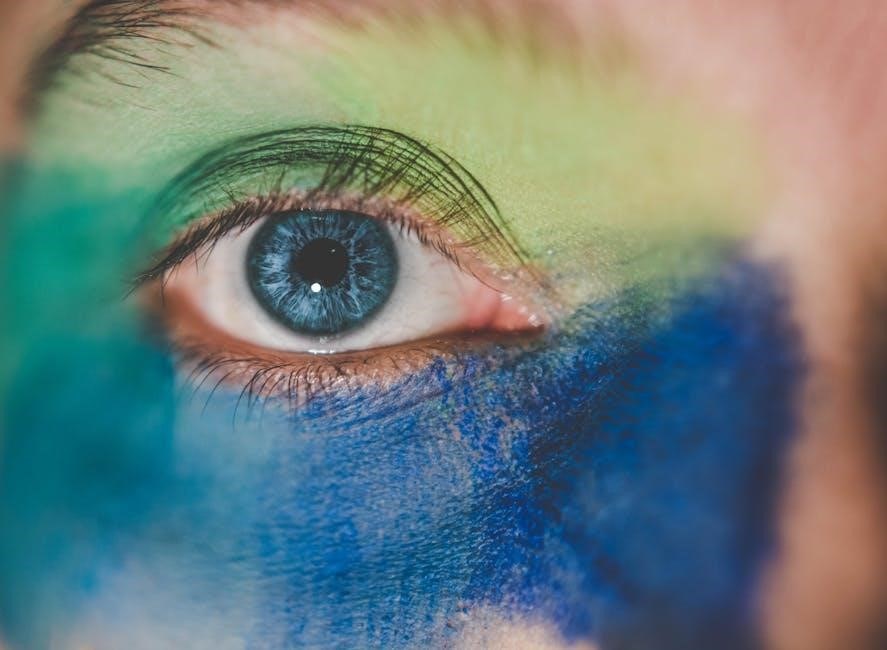
One significant concern is the potential for allergic reactions to the tinting product. Always perform a patch test 48 hours prior to full application, observing for any signs of irritation or discomfort. Achieving a natural-looking result requires precision and a steady hand; uneven application or overly dark shades can be difficult to correct. Furthermore, DIY kits may not offer the same longevity or professional finish as salon treatments.
Proper preparation is essential for success. Carefully follow the instructions provided with the kit, protecting the skin around your eyebrows with petroleum jelly to prevent staining. Remember that DIY tinting primarily colors the visible hair, and may not significantly impact finer, lighter hairs. Ultimately, while DIY tinting can be a viable option, it demands caution, meticulousness, and a realistic understanding of its limitations. Consider professional tinting for complex color changes or sensitive skin.
Professional Eyebrow Tinting: Benefits and Risks
Opting for professional eyebrow tinting delivers a range of advantages, primarily centered around expertise and precision. Trained technicians possess the skills to accurately assess your skin tone, hair color, and desired outcome, ensuring a natural and flattering result. They utilize high-quality products formulated for safe and effective application, minimizing the risk of irritation or allergic reactions.
Professional tinting typically offers longer-lasting color compared to DIY methods, reducing the frequency of touch-ups. Technicians can also customize the shade to perfectly match your hair or create a subtle lift, enhancing your overall appearance. However, it’s important to acknowledge potential risks. While rare, allergic reactions can still occur, emphasizing the importance of disclosing any sensitivities to the technician.
Improper technique or overuse of tint can lead to skin staining or uneven color distribution. Choosing a reputable salon with licensed and experienced professionals is crucial. Discuss your expectations clearly and inquire about the products used. While generally safe, professional tinting requires careful consideration and a commitment to aftercare instructions to maintain optimal results and minimize potential complications.
Choosing the Right Eyebrow Tint Shade
Selecting the ideal eyebrow tint shade is paramount for achieving a natural and harmonious look. A common mistake is choosing a shade too dark, resulting in harshness. Generally, eyebrows should be two shades lighter than your natural hair color for a softer, more youthful appearance. However, this isn’t a rigid rule; individual factors play a significant role.
Consider your skin tone: warmer skin tones benefit from warmer-toned browns, while cooler skin tones pair well with ash or cool-toned browns. If you have blonde hair, avoid overly dark tints that can appear unnatural. A light brown or taupe shade can provide definition without looking severe. Redheads should opt for auburn or reddish-brown tints to complement their hair color.
For those with graying hair, matching the eyebrow tint to your current hair color can create a seamless blend. Don’t be afraid to experiment with slightly different shades to find what best suits your features. A patch test is always recommended to assess color compatibility and prevent allergic reactions. Ultimately, the goal is to enhance your natural beauty, not overwhelm it.
Henna Brows: A Natural Alternative
Henna brows offer a semi-permanent eyebrow tinting solution derived from the henna plant, providing a natural alternative to chemical dyes. Unlike traditional tints, henna doesn’t just color the hair; it also stains the skin underneath, creating a fuller, more defined brow appearance. This makes it particularly beneficial for those with sparse or over-plucked eyebrows.
The process involves applying a henna paste to the eyebrows and allowing it to develop for a specified time, typically 10-20 minutes; The resulting color can last anywhere from two to six weeks, depending on skin type and aftercare. Henna brows are generally considered gentler on the skin than chemical tints, reducing the risk of irritation or allergic reactions.
However, it’s crucial to choose a reputable technician experienced in henna brow application. Pure henna typically yields reddish-brown tones, but modern henna formulations often include other natural dyes to achieve a wider range of colors. Proper aftercare, including avoiding harsh cleansers and excessive sun exposure, is essential for maximizing longevity.
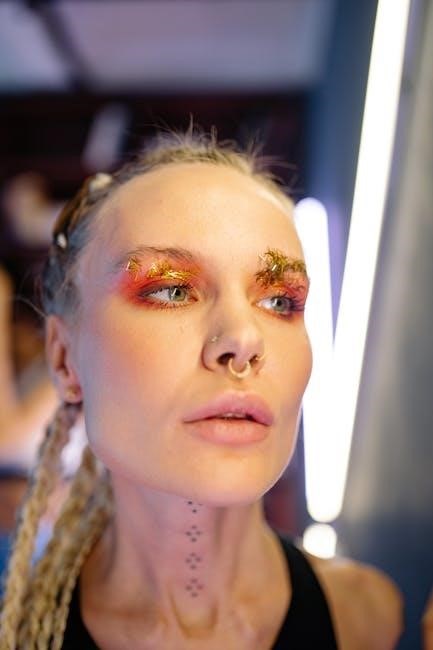
Eyebrow Color Trends & Styles
Current trends showcase bold statements like bleached brows, alongside a desire to harmonize eyebrow color with evolving hair color fashions. Color correction addresses mishaps,
while consistent maintenance ensures lasting vibrancy and shape.
Staying informed about these shifts empowers you to experiment and refine your look, reflecting personal style and current aesthetics.
The Bleached Brow Trend: A Bold Statement
The bleached brow trend represents a significant departure from traditional eyebrow aesthetics, emerging as a daring and unconventional style choice favored by those seeking a high-fashion, statement-making look. This trend involves lightening the eyebrow hairs to a very pale blonde or even white, creating a striking contrast against the skin and eye color.
Initially popularized by celebrities and fashion influencers, the bleached brow has gradually gained traction in mainstream beauty culture. It’s often associated with a minimalist, edgy aesthetic and is frequently seen on runways and in editorial shoots. The impact is undeniably dramatic, drawing attention to the eyes and altering the overall facial expression.
However, achieving and maintaining bleached brows requires careful consideration. The bleaching process can be damaging to the delicate eyebrow hairs, potentially leading to breakage and thinning. It’s crucial to use a gentle bleaching agent and to follow up with nourishing treatments to restore moisture and strength. Furthermore, the bleached color requires regular touch-ups to prevent regrowth and maintain the desired effect.
This trend isn’t universally flattering, and it’s essential to assess your skin tone and facial features before committing. Individuals with fair skin and cool undertones often pull off the look more easily, while those with warmer complexions may need to adjust the shade to avoid a washed-out appearance. Ultimately, the bleached brow is a bold and expressive choice that demands confidence and commitment.
Matching Eyebrows to Current Hair Color Trends
Staying aligned with current hair color trends necessitates a thoughtful approach to eyebrow color coordination. While perfectly matching eyebrow shade to hair color isn’t always the most flattering approach, maintaining a harmonious relationship between the two is crucial for a balanced and polished look. Current trends lean towards softer, more natural transitions, influencing how we approach brow color.
For instance, the popularity of balayage and ombre hair techniques calls for eyebrows that complement the overall blended effect. Rather than strictly matching the darkest strands, opting for a shade slightly lighter than the roots can create a more seamless and natural appearance. Similarly, with the rise of copper and warm-toned hair colors, eyebrows with reddish undertones can enhance the warmth and vibrancy of the overall look.
Conversely, if you’ve embraced a cooler-toned hair color, such as ash blonde or silver, eyebrows with cool undertones will create a cohesive and modern aesthetic. Avoiding overly warm or golden shades is key to preventing a clash. The key is to consider the overall color palette and ensure the eyebrows don’t appear disconnected.
Ultimately, adapting your eyebrow color to current hair color trends is about creating a harmonious and intentional look. It requires a nuanced understanding of color theory and a willingness to experiment to find the perfect balance for your individual features and style.
Eyebrow Color Correction: Fixing Mistakes
Eyebrow color mishaps can happen, whether from DIY tinting gone wrong or a professional service that didn’t quite hit the mark. Addressing these mistakes promptly and effectively is crucial to avoid prolonged dissatisfaction. The approach to correction depends heavily on the nature of the error – too dark, too light, or an unflattering tone.
If your eyebrows are too dark, gentle exfoliation can help fade the color over several days. Applying a mixture of coconut oil and baking soda (with caution, as it can be abrasive) can also aid in lightening. Avoid harsh bleaching, as it can severely damage delicate brow hairs. For a professional fix, a color remover specifically designed for eyebrow tint can be used.
If the color is too light or the tone is off, re-tinting is usually the best solution. However, proceed with caution and opt for a shade slightly lighter than desired to avoid overcorrection. A patch test is always recommended before applying any tint to the entire brow area.
Prevention is key; always follow instructions carefully and consider a professional for significant color changes. Remember, patience is vital during the correction process, and multiple gentle attempts are often more effective than one aggressive treatment.
Maintaining Your Eyebrow Color: Tips & Tricks
Preserving your ideal eyebrow color requires consistent care and preventative measures. Colored brows, whether tinted or hennaed, will naturally fade over time due to factors like sun exposure, skincare routines, and regular cleansing. Implementing a few simple habits can significantly extend the vibrancy of your brow color.
Minimize exposure to oil-based products around the brow area, as oil can break down the tint. Avoid harsh cleansers and exfoliants directly on the brows. Instead, gently cleanse with a mild facial cleanser during your regular skincare routine. Applying a clear brow gel daily can help seal the color and protect against environmental aggressors.
Sun protection is crucial. Just as you protect your skin, shield your brows from prolonged sun exposure by wearing a hat or applying sunscreen specifically formulated for the face, ensuring it covers the brow area. Regular touch-up appointments, typically every 4-6 weeks, will maintain consistent color and prevent noticeable fading.
Consider your hair color maintenance routine. If you frequently change your hair color, your eyebrow color may need more frequent adjustments to remain harmonious.